
Charlotte Asian & Dragon Boat Festivals

Saturday, May 15, 2027
Ramsey Creek Park on Lake Norman

Thank you for a spectacular festival.
We’ll see you on Saturday: May 15, 2027!
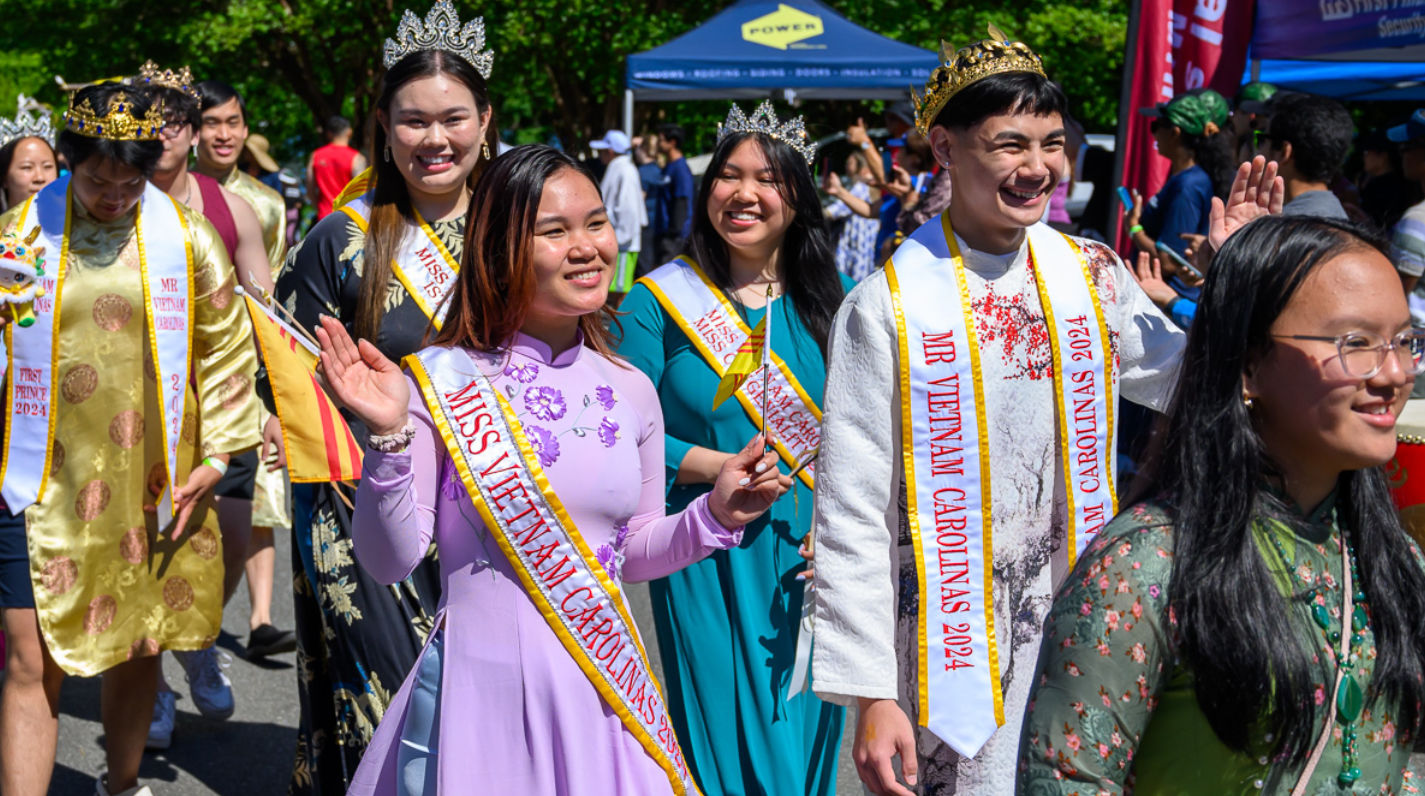

The first Asian Festival was organized under the leadership of Dr. Ki-Hyun Chun in 2000 at Marshall Park in uptown Charlotte. The purpose of the Festival was to unite all Asian communities in the Charlotte to celebrate the Asian-Pacific Heritage Month of May. Attendance at the Festival continued to grow in the ensuing years, drawn by the colorful and diverse cultural presentations, food and retail selections.
After a few years at the then-Wachovia (now Wells Fargo) Atrium, the Asian Festival moved to its current location at Ramsey Creek Park in 2006 to accommodate the new Dragon Boat Festival Race. The combined festivals continue to grow as the Carolinas’ premier Asian cultural event.
The Asian Festival consists of the following:
- Cultural Performances
- Dragon Boat Festival Race
- The Best of Asian Festival Performing Arts
- Cultural Showcase
- Traditional Food and Crafts
- Vendor and Sponsor Booths

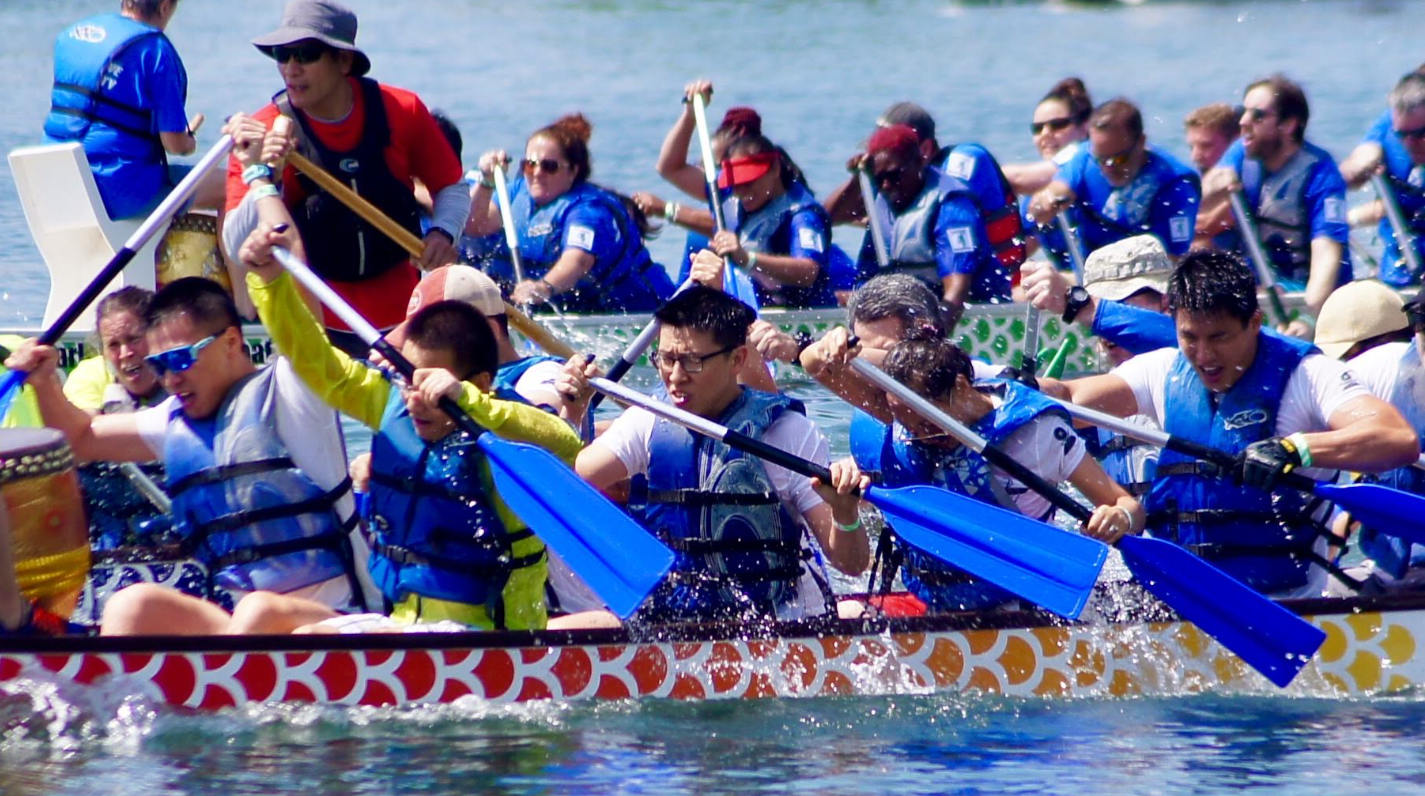
In 2005, responding to an enthusiastic participating teams’ support in the ground-breaking CrossRoads Charlotte Project, the Carolinas Asian American Chamber of Commerce (CAACC) announced the launch of its priority community-building initiative, the Charlotte Dragon Boat Festival. Dragon Boat racing has become the fastest growing flat-water sport in the world, its popularity based on its broad appeal to people who enjoy outdoor activities for wellness, recreation, competition and culture awareness.
The Charlotte Dragon Boat Festival launched in 2006, with 18 community teams racing on Lake Norman at Ramsey Creek Park. With strong community support and in partnership with both public and private organizations, this event has evolved over the years into a 40-plus team affair with over 1,000 paddlers.
Dragon boat racing began over 2,300 years ago on the life-sustaining rivers in the valleys of southern China as a fertility rite to ensure plentiful crops. The first participants were superstitious and held their own celebration on the fifth day of the of the fifth lunar month of the Chinese calendar (summer solstice). This time of year was traditionally associated with disease and death. The race was held to avert misfortune and encourage the rains needed for prosperity and the object of their worship was the dragon.
THANK YOU TO OUR SPONSORS!













A Very Special Thank You to Our Volunteer Festival Planning Team
Mae Armstead
Aurea Barbee
Nini Bautista
Div Bhingradia
John Chen
Richard Clancey
Mylene Clemente
Bethani Ka
Kim Lam
Kiran Patel
Levi Rmah
Thai Siu
Jerry Tucker